
El Niño and your fertiliser
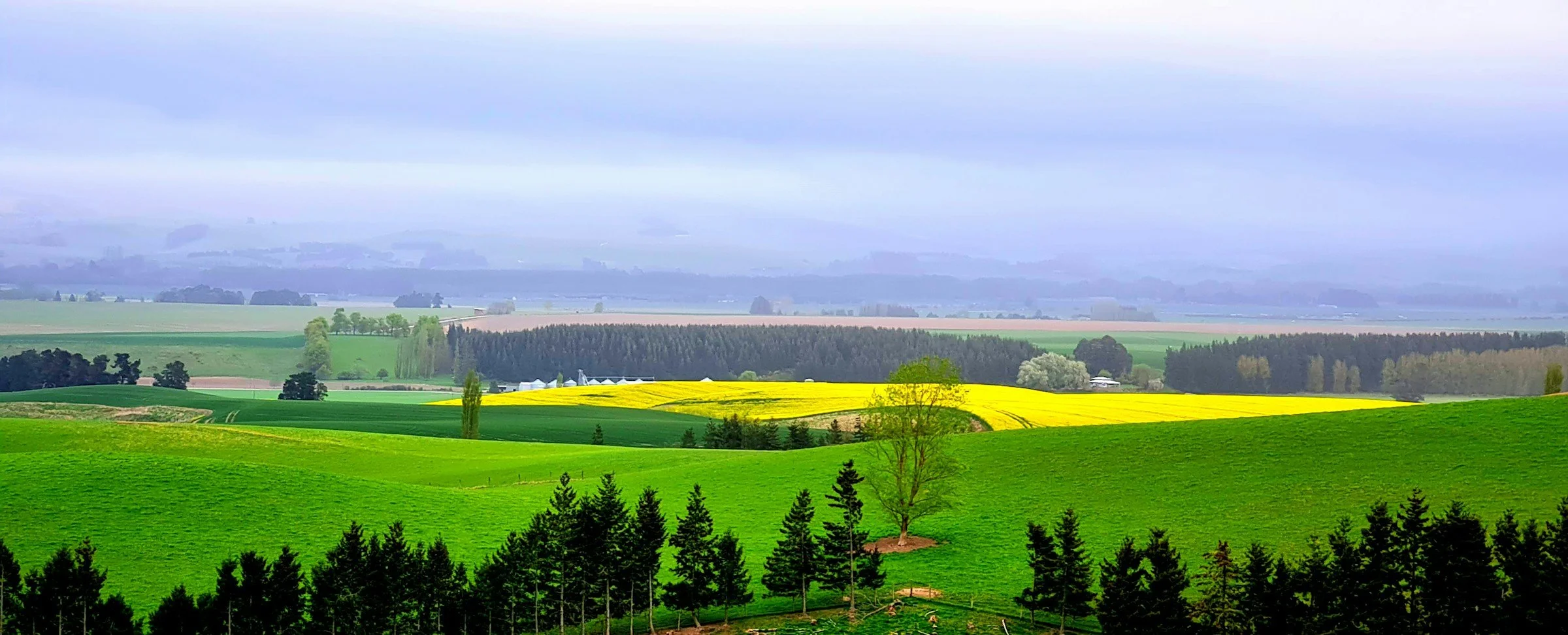
Making every kilo of nitrogen count.
By now you've heard the El Niño advice: update your feed budget, sort your supplements, check your water. All good advice. But there's one input where El Niño costs farmers money that gets less airtime: nitrogen fertiliser.
Urea is sitting at around $1,280 to $1,290 a tonne this spring (Farmers Weekly, September 2026). Rabobank warns prices could spike again through 2026 and 2027. And this season's weather is set to work against almost every kilo of nitrogen you spread, in three specific ways:
Losses to the air while it’s dry and windy
Losses to water when the rain comes back
Lost spreading windows, due to weather
Here's what each one means for your fertiliser plan, and what you can do.
Problem 1: losses to the air.

As urea converts to ammonium and then nitrate in the soil, dry, windy conditions without enough moisture can cause some of it to turn into ammonia gas and volatilise into the air. Unless it’s washed into the soil, that nitrogen simply drifts away. Industry best practice is to apply only when significant rain is forecast (ideally 10mm within eight hours of application) to keep those losses down.
In a normal spring, that might be manageable. In an El Niño spring in Northland, Waikato, Bay of Plenty, Gisborne, Hawke's Bay or Wairarapa, a reliable 5 to 10mm in eight hours becomes a rare event. Meanwhile, every other risk factor for volatilisation is turned up: heat, wind and drying pasture cover.
New Zealand field trials have measured ammonia losses from urea of 11 to 23%, averaging 15%. Hot, dry, windy conditions push losses toward the top of that range.
In other words, on a bad El Niño day, close to a quarter of your urea spend could be going straight into the air. Multiply that across a few hundred hectares and several applications, and it adds up fast.
Problem 2: when the rain comes back.

El Niño dry spells don't last forever. When rain returns to dry North Island soils, it brings a second nitrogen risk.
AgResearch found that pasture coming out of drought responds poorly to nitrogen: just 7 kg of dry matter per kg of N applied, against 13 kg for pasture that had been irrigated. The drought-affected pasture recovered only 28% of the nitrogen applied, compared with 52%. Meanwhile, more mineral nitrogen was sitting in the soil when drainage began, ready to leach (Shepherd et al., 2018).
Waikato Regional Council advises letting soils recover after a dry period before applying nitrogen, and avoiding applications just before heavy rain (Waikato Regional Council). In an El Niño year, the gap between "too dry to respond" and "wet enough to leach" can be short. Nitrogen dumped all at once on recovering pasture is nitrogen at risk.
Problem 3: the shrinking spreading window.
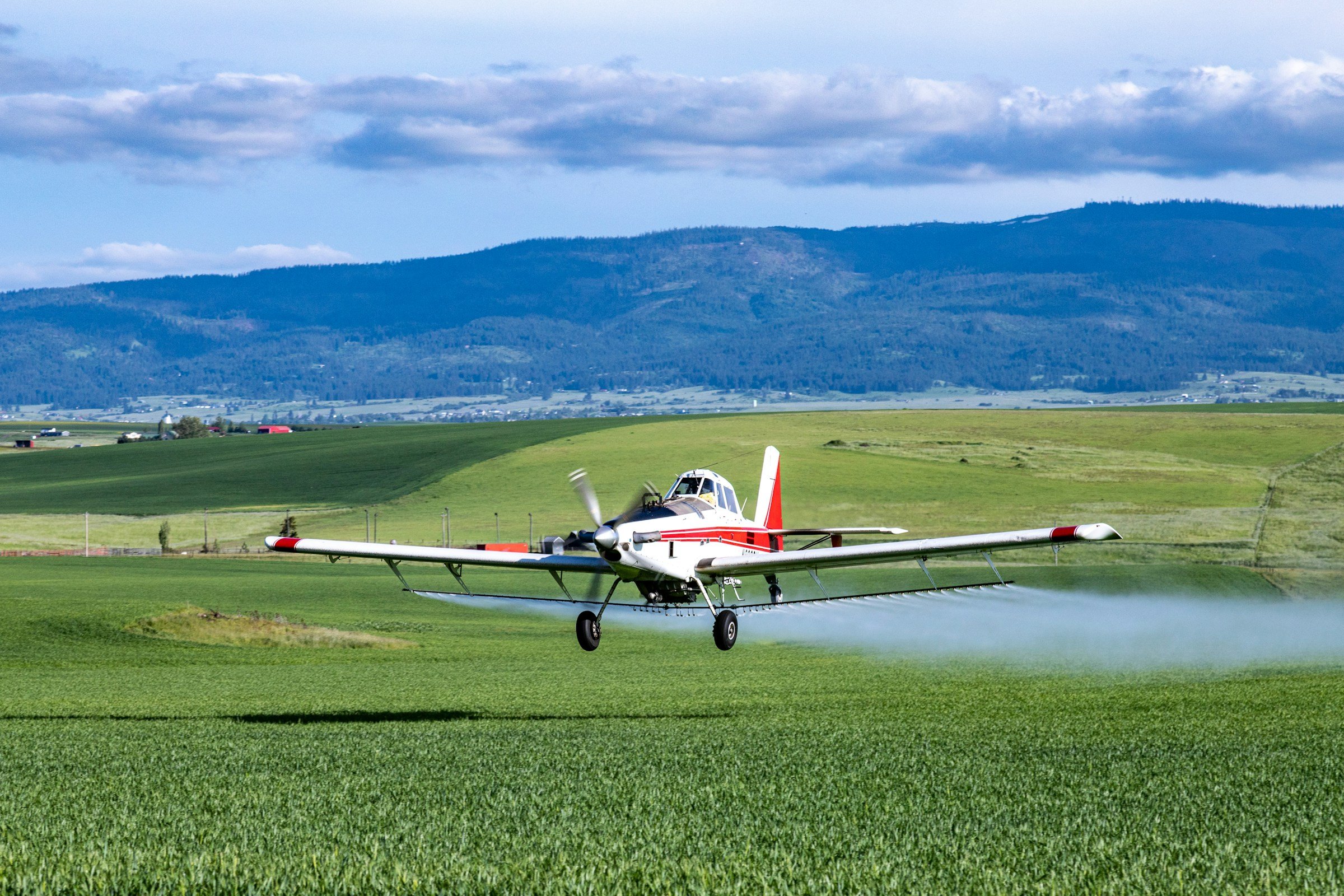
In a dry El Niño spring, many farmers will hold off spreading until rain is forecast. The trouble is, everyone else will be doing the same. When the rain finally shows up on the forecast, demand for spreaders spikes and the queue grows. By the time your turn comes, the rain may have been and gone.
Wind makes it worse, especially for aerial work. Strong westerlies are a signature of El Niño, and they cut the number of days aerial operators can fly on hill country. The NZ Agricultural Aviation Association is already warning farmers to book early, expect delays and accept that operators are “operating in some very narrow windows” (FreshPlaza, August 2026).
Put the three problems together and you get the El Niño fertiliser squeeze. The weather that makes urea most likely to be lost is also the weather that makes it hardest to spread at the right time.
Your North Island fertiliser risk:
-
Outlook:
Driest region: 55% chance of below-normal rain.
Main nitrogen risk:
Volatilisation; N applied to soils too dry to respond; aerial windows lost to wind on hill country.
What to focus on:
Get spring N on early while there's moisture; book aerial work now.
-
Outlook:
Driest region: 55% chance of below-normal rain.
Main nitrogen risk:
Volatilisation on hot, windy days.
What to focus on:
Avoid big single doses of urea in hot, windy weather; front-load spring N.
-
Outlook:
Warmer and drier: 45% chance of below-normal rain.
Main nitrogen risk:
Volatilisation; a shortened N response window.
What to focus on:
Bring the summer N budget forward into spring.
-
Outlook:
Warmer and drier: 45% chance of below-normal soil moisture.
Main nitrogen risk:
Volatilisation on drying pasture; poor N response once soils dry out.
What to focus on:
Use spring moisture while it lasts; hold off N on droughted pasture until it recovers.
-
Outlook:
Warmer and drier: 45% chance of below-normal rain.
Main nitrogen risk:
Volatilisation; nutrient timing for orchards under water stress.
What to focus on:
Match N timing to soil moisture and irrigation.
-
Outlook:
Near or below-normal rain; 45% chance of below-normal soil moisture.
Main nitrogen risk:
Wind disrupting spreading; drying soils.
What to focus on:
Book spreading early; fewer, well-timed applications
-
Outlook:
Near or below-normal rain; windy.
Main nitrogen risk:
Wind disrupting spreading; volatilisation.
What to focus on:
Fewer, well-timed applications; watch the forecast for rain.
Outlook from Earth Sciences New Zealand's Seasonal Climate Outlook, October–December 2026. In the South Island, Canterbury and the east are also tracking dry, while the West Coast and Southland are forecast wetter than normal.
Across the board, the earlier-is-better rule applies. Back in the strong 2015 El Niño, Ballance's science manager advised shifting more of the nitrogen budget into early spring, because "the response to nitrogen, and adequate soil moisture, is likely to be greater earlier in the season" (NZ Farm Source). That advice holds even more strongly this year.
Where controlled release fits.
Conventional urea is soluble. Spread it, and the whole dose becomes available at once, ready to be lost to air or water if the weather doesn't cooperate. Tnue takes a different approach.
Each Tnue granule is urea wrapped in a micro-thin membrane at our geothermally powered plant in Taupō. The membrane lets nitrogen out gradually, at a rate governed by soil temperature, so release tracks the warmth that drives plant growth. As Tnue technical manager Jane Mayo puts it: "Soluble urea causes a spike in nitrogen levels, but Tnue CRT urea releases over 2-3 months" (Lake FM).
Here's how that answers each of the three El Niño problems:
-
Conventional urea:
Whole dose exposed on the surface; needs 5–10mm of rain within 8 hours.
Tnue controlled release:
Most of the nitrogen stays inside the granule and is released gradually, so far less is exposed at any one time.
-
Conventional urea:
Nitrogen left unused by stressed pasture can be flushed below the root zone.
Tnue controlled release:
Nitrogen still inside the granule can't be washed out by a single downpour.
-
Conventional urea:
Best results come from smaller, more frequent applications.
Tnue controlled release:
One application can last as long as two urea applications, so you need fewer windows.
That last point is especially useful this season. Fewer passes means less time waiting on the weather, fewer aerial bookings to chase, and less traffic on wet paddocks.
Tnue Dual-Start is designed for a season like this one. It combines immediately available phosphate with two nitrogen release profiles: around 30% of the nitrogen is available soon after application to get spring growth moving, and the remaining 70% is released over roughly 90 days, carrying into early summer. That makes it a good fit for the advice to front-load nitrogen in spring, giving you more from that Spring application.
We also make custom blends tailored to your crop, pasture and soils, and Tnue is available through your local North Island fertiliser supplier.
Your El Niño fertiliser checklist.
Bring nitrogen forward. Get spring applications on while there's soil moisture for plants to respond.
Know your loss risk. In dry conditions, don't count on 5 to 10mm of rain within eight hours of spreading.
Let pasture recover before you push it. After a dry spell, hold off nitrogen until pasture is growing again, and avoid spreading just before heavy rain.
Avoid big single doses of urea on hot, windy days with little pasture cover.
Book spreading early, especially aerial, and check your fertiliser storage is dry and weatherproof.
Cut the number of passes you need. Look at controlled-release products that cover a longer feeding window from one application.
Talk to your rep about the right product and timing for your farm, soils and region.
El Niño will test every part of the farm system this season. Fertiliser is one of the few parts where a smarter product choice can take some of the weather risk off the table. Get in touch with your local Tnue rep or merchant to find out how controlled release fits your El Niño plan.
Want to know if Tnue CRT is right for your system?
Talk to your fertiliser rep, or get in touch to learn more.
Sources
Nitrogen dollars dissolving in thin air, Scoop, 31 March 2015
The effect of drought and nitrogen fertiliser addition on nitrate leaching risk from a pasture soil, Shepherd et al., AgResearch, 2018
Getting the most from fertiliser and effluent nitrogen, Waikato Regional Council
Urea prices ease in time for spring, Farmers Weekly, 7 September 2026
Seasonal Climate Outlook October–December 2026, Earth Sciences New Zealand
Farmers urged to get ahead with nutrient plans as El Niño looms, Ballance Agri-Nutrients
Growers urged to plan fertiliser applications before El Niño, FreshPlaza, 19 August 2026
Keeping a weather eye on El Niño, NZ Farm Source, 2015
Engineering every granule, Rural Contractor
