
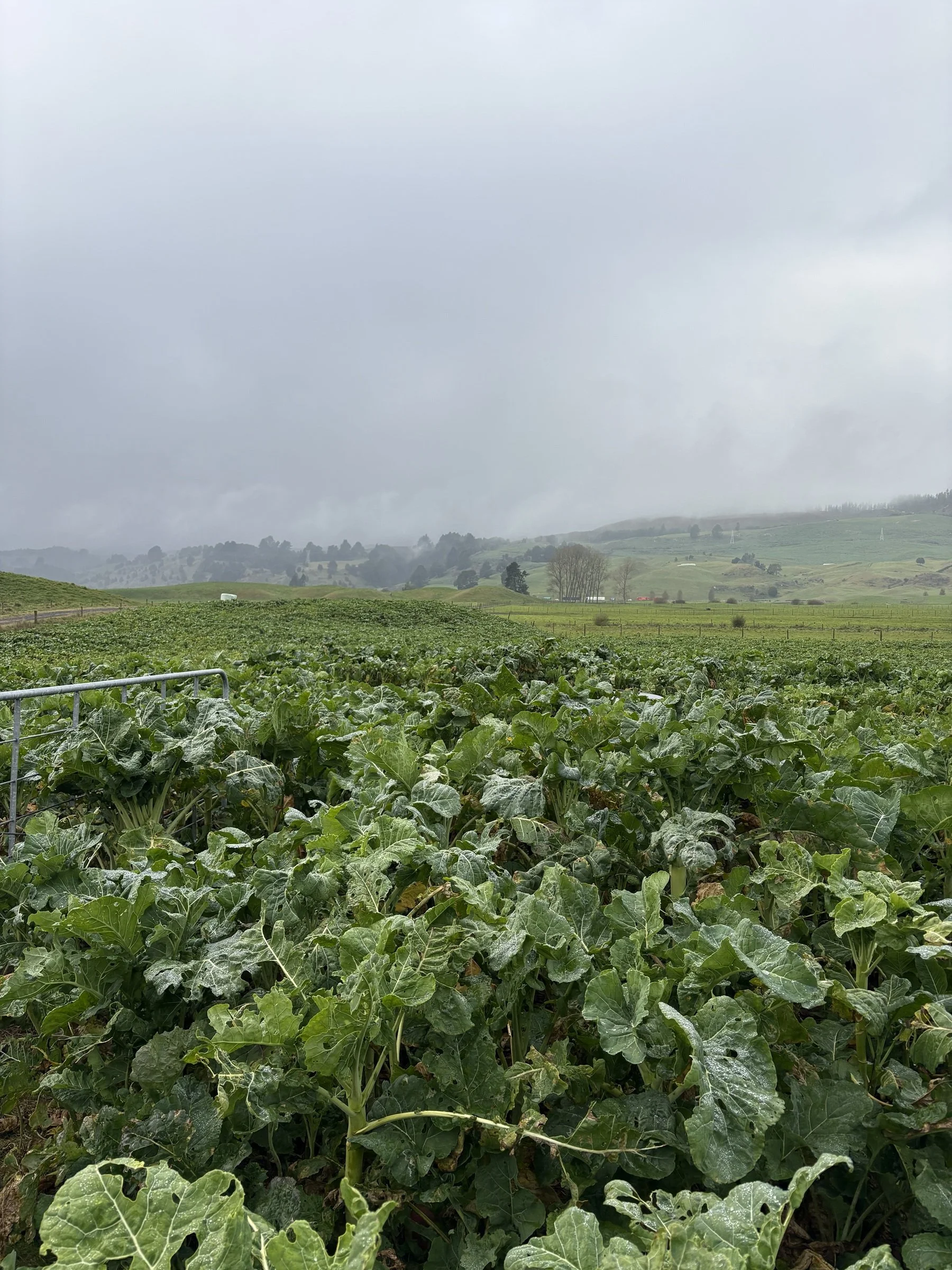
How Gary Singh turned marginal hill country into a 15 tonne/ha kale & swede crop.
Gary manages Maroa Lands - a 950-cow dairy operation near Taupō, where he's also a 25% shareholder. Some of the farm's most challenging land is a block of hill country that had, for years, carried only poor-quality grass. On the advice of his crop specialist, Gary decided to try something different: sowing it in kale and swedes instead.
The land was too challenging for a tractor and direct drill, so both the seed and the fertiliser went on by helicopter - 90 hectares of crop, on ground that would normally be considered marginal at best.
Choosing Tnue Controlled Release.
Gary applied Tnue's controlled release urea on the advice of Jack, his trusted fertiliser advisor at Dickie Direct. The response was immediate.
"The crop really took off within two weeks," Gary says. Growth that would typically slow by April kept going into May, and the kale held a noticeably greener colour than the crops on neighbouring properties.
Two months after application, Gary could still see granules on the ground - a sign the product was continuing to release and feed the plants. Tracked paddocks measured 10 tonne/ha in March; by the last week of June, the same ground had reached 15 tonne/ha. Across the block, roughly 80% of the crop came in around that mark.
“I was amazed - this was the best season we’ve ever seen. The product made a big difference. Why not use a product that feeds the crop for longer? It’s self-explanatory really.”
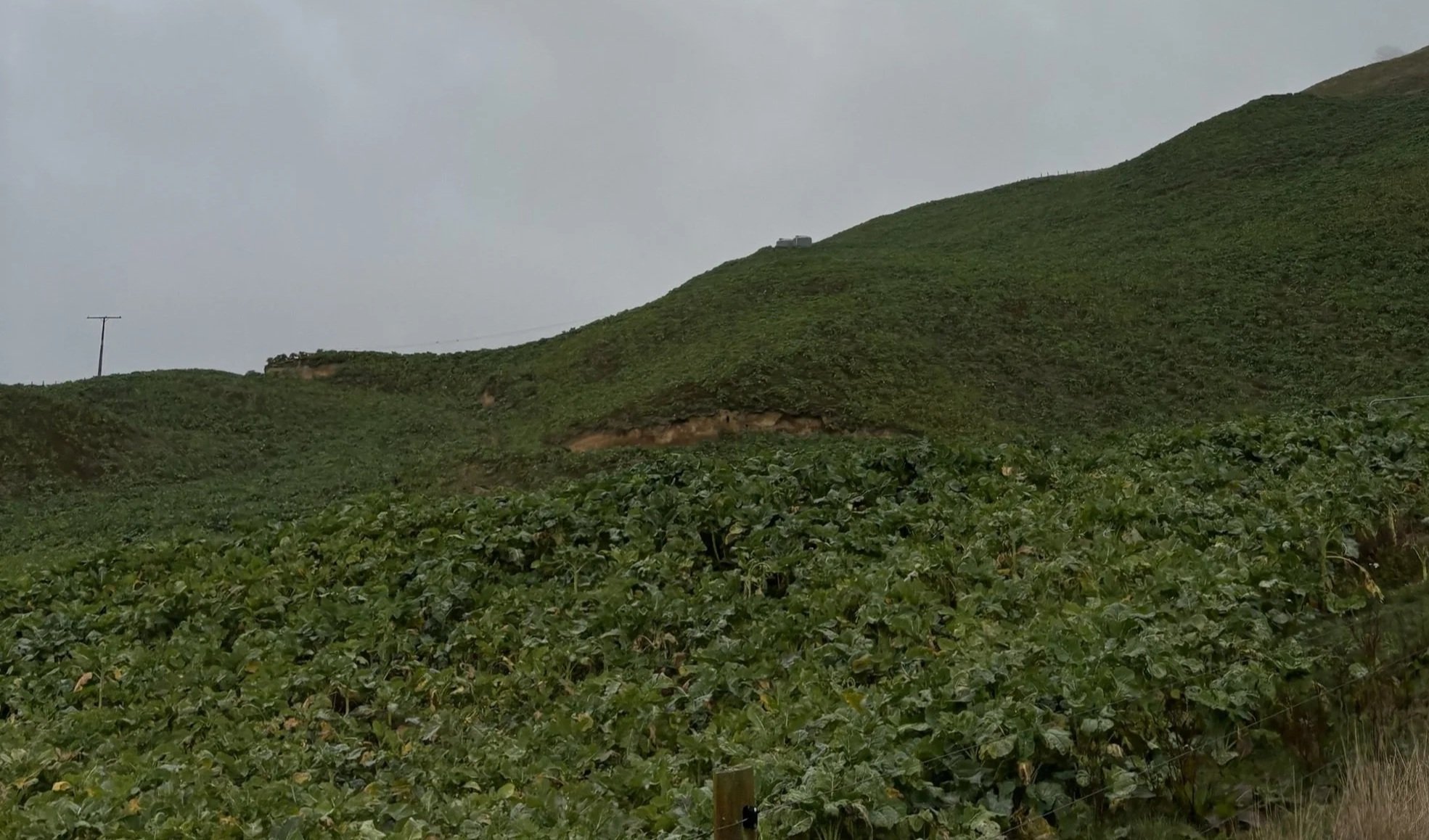
For hilly, non-irrigated country, that's a strong result. Gary has grown as much as 25 tonne/ha before, but only on flat land under irrigation in Ashburton. Reaching 15 tonne/ha on steep hill country, with no irrigation, was well beyond what he expected.
The crop was break-fed to 1,500 cows - starting at 2kg/cow/day and building to 14kg/cow/day over 12 days, mixed with grass until cows were on full crop (reverting to grass on particularly wet days). Even at that scale, Gary still had crop left over.
Next: taking it to pasture.
The crop result was enough to convince Gary to try Tnue's controlled-release nitrogen on pasture too. Once calving and grazing are underway and paddocks are ready, he plans to apply it - likely mid-to-late August.
The verdict.
When asked what stood out most, Gary points straight to the yield.
“The biggest benefit was the yield of the crop - 15 tonne instead of 10, which is supplement we didn’t have to buy. And only one fertiliser pass, which allowed us to marginal land.”
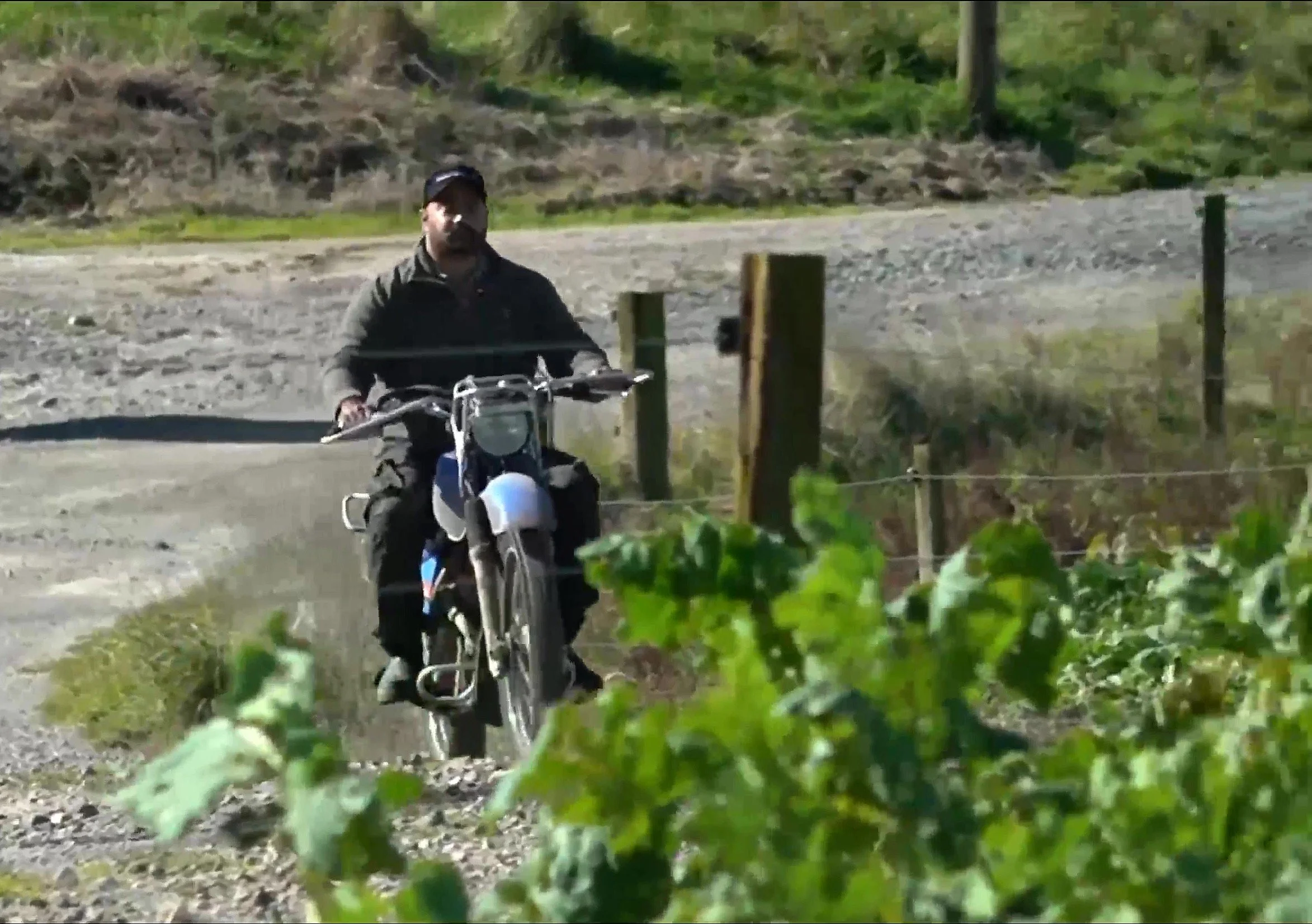
His advice to other farmers is direct:
“I’d definitely recommend applying Tnue controlled release to your crop in late January or early February. Why not use a product that can feed the crop longer - feeding plants for 90 days? It’s self-explanatory really.”
Gary is Farm Manager and a 25% shareholder at a Maroa Lands - a 950-cow dairy operation north of Taupo.
Want to know if Tnue CRT is right for your system?
Talk to your fertiliser rep, or get in touch to learn more.
